

Automatic or manual: which driving lessons suit you?
 By Mehmet, Rijschool ÇakmakUpdated on 5 min read
Automatic or manual? It is one of the first choices you make when you start driving lessons. Below, we set out the differences so you can make the right choice for you.
In this article
What is the difference when driving?
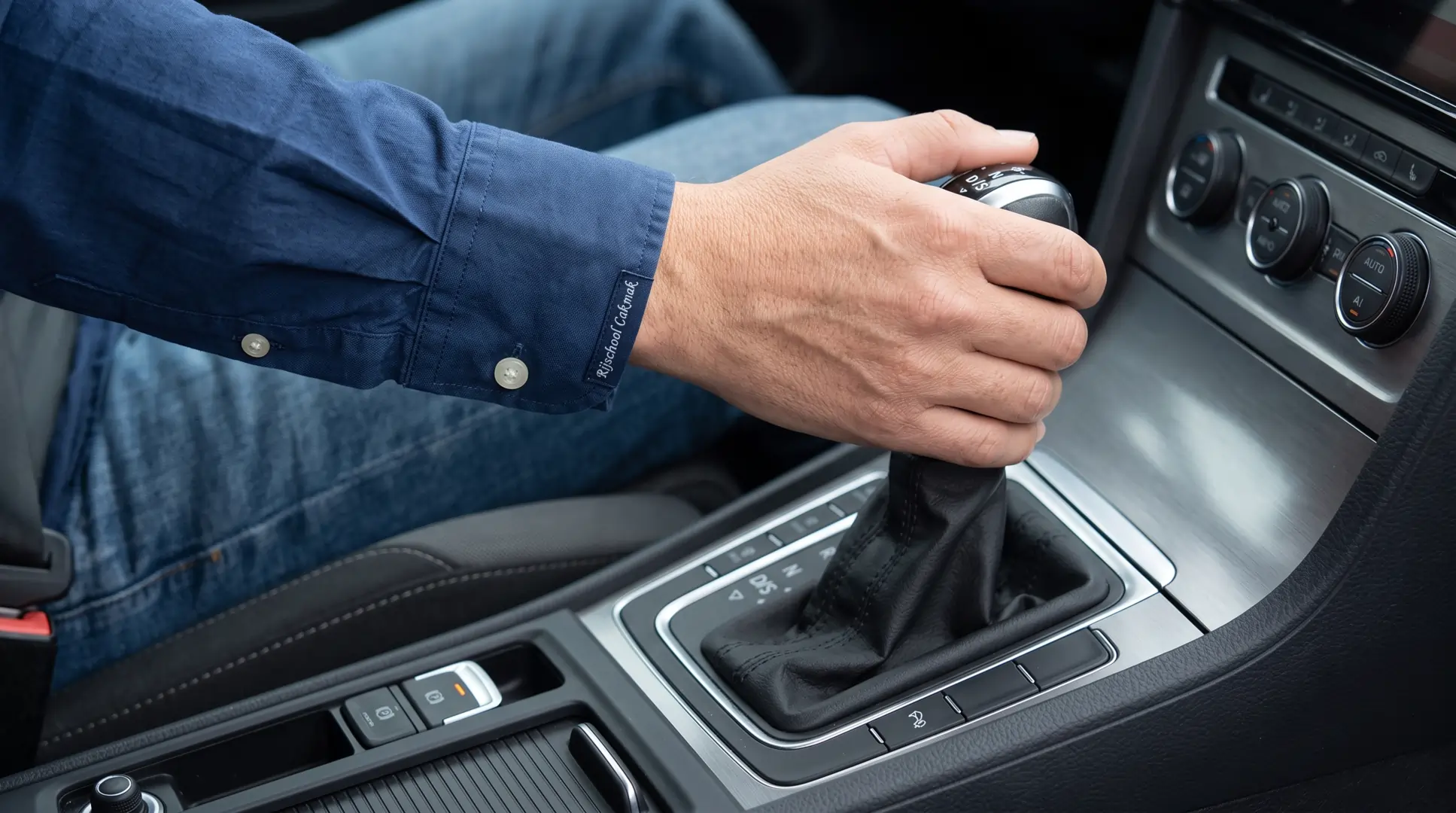
In an automatic, the car changes gear itself. You use the accelerator, brake and steering wheel. You do not operate a clutch pedal or change gears yourself. In a manual, you do. You learn to use the clutch and gears along with the other controls.
The difference is mainly in what your hands and feet do. In a manual, changing gear needs attention while driving. In an automatic, that action is removed. You have fewer controls to learn at once. This does not mean the car takes over all your tasks.
In both cars, you also learn to observe, apply traffic rules and respond to what happens around you. You must pay attention and make decisions yourself. The choice is not about whether to learn to drive. It is about which controls you want to learn and which car you want to drive later.
When might an automatic suit you?
An automatic may feel comfortable if doing several actions together is difficult for you. Perhaps changing gear takes a lot of attention. Without that action, you can focus more on steering and traffic. You still need practice to bring everything together. Feeling calmer does not mean there is nothing left to learn.
Fewer controls may also help if you experience exam anxiety or test stress. It is not a solution that works the same for everyone. Tell your instructor what worries you. Is it mainly the controls or the traffic? Talking about this makes it clearer what helps you.
An automatic may also suit you if you will mainly drive in the city. Think beyond your lessons to the trips you want to make afterwards. You can find more information on our automatic driving lessons page.
When is learning in a manual useful?
A manual may be a good choice if you also want to drive manual cars later. Is there a manual car at home that you want to use? Consider that before choosing. It would be frustrating to get your licence and then not be allowed to drive that car.
Manual lessons teach you to use the clutch and gears. These are extra controls to practise. You do not need to know how to use them beforehand. Like the rest of driving, you learn during your lessons. Say if you need more explanation or repetition.
Ask yourself which car you are likely to use after your test. Do not choose just because someone else prefers automatic or manual. What works for a friend may not work for you. Your plans and what you want to learn matter.
What does code 78 on your licence mean?
If you pass your test in an automatic, your licence gets code 78. It is on the back, in column 12 next to category B. This code means you may only drive cars without a clutch pedal. That includes automatic and electric cars. You cannot drive a manual car with that licence.
This restriction also applies abroad. For this code, it does not matter whether your journey is in the Netherlands or elsewhere. Do not just think about the lesson car when choosing. Consider the car you want to use at home or on a trip later.
If you pass in a manual, this automatic-only restriction does not apply. Within category B, you may drive both manual and automatic cars. The licence difference matters, even though both kinds of lessons teach you to take part in traffic safely.
Are the lessons and test different?
Our lesson price is the same for automatic and manual. There is no automatic surcharge. You do not need to base your choice on thinking one kind costs more here. See our lesson packages for current lesson prices.
The practical test is the same test. The difference is whether you take it in an automatic or a manual car. You must show that you can drive well in either case. Having fewer controls does not mean you can pay less attention to traffic or observation.
The number of lessons you need varies from person to person. An automatic removes the need to learn gear changes, but that does not give a fixed number of lessons saved. Your learning pace, lesson frequency and how you handle nerves also matter. Your instructor's estimate is more useful than comparing yourself with others.
How do you make a choice that suits you?
Start with the car you most want to use later. Then think about what feels comfortable when learning. Do you want to be able to change gears too, or is driving without a clutch more important? Either choice can be good. What helps most is understanding what it means for your lessons and licence.
Still unsure? Discuss your questions during a trial lesson. Explain what you want to drive later and what worries you. You do not have to rely only on other people's stories. Advice about your own situation can help you choose more calmly.
Frequently asked questions
Are automatic lessons more expensive?
No. The lesson price is the same as for manual lessons, with no surcharge for an automatic.
Is the test different in an automatic?
The test is exactly the same as the manual test, with one difference: you take it in an automatic.
Can I drive an electric car with code 78?
Yes. With code 78, you can drive cars without a clutch pedal, which includes electric cars.
Instructor and point of contact at Rijschool Çakmak in Haarlem and Hoofddorp.
More articles
- How many driving lessons do you need?3 November 2026
- How to prepare for your first driving lesson10 November 2026
- Driving test anxiety? Here is what you can do27 October 2026
- Driving test tips: your final week before the test13 October 2026
- What should you bring to your practical driving test?6 October 2026